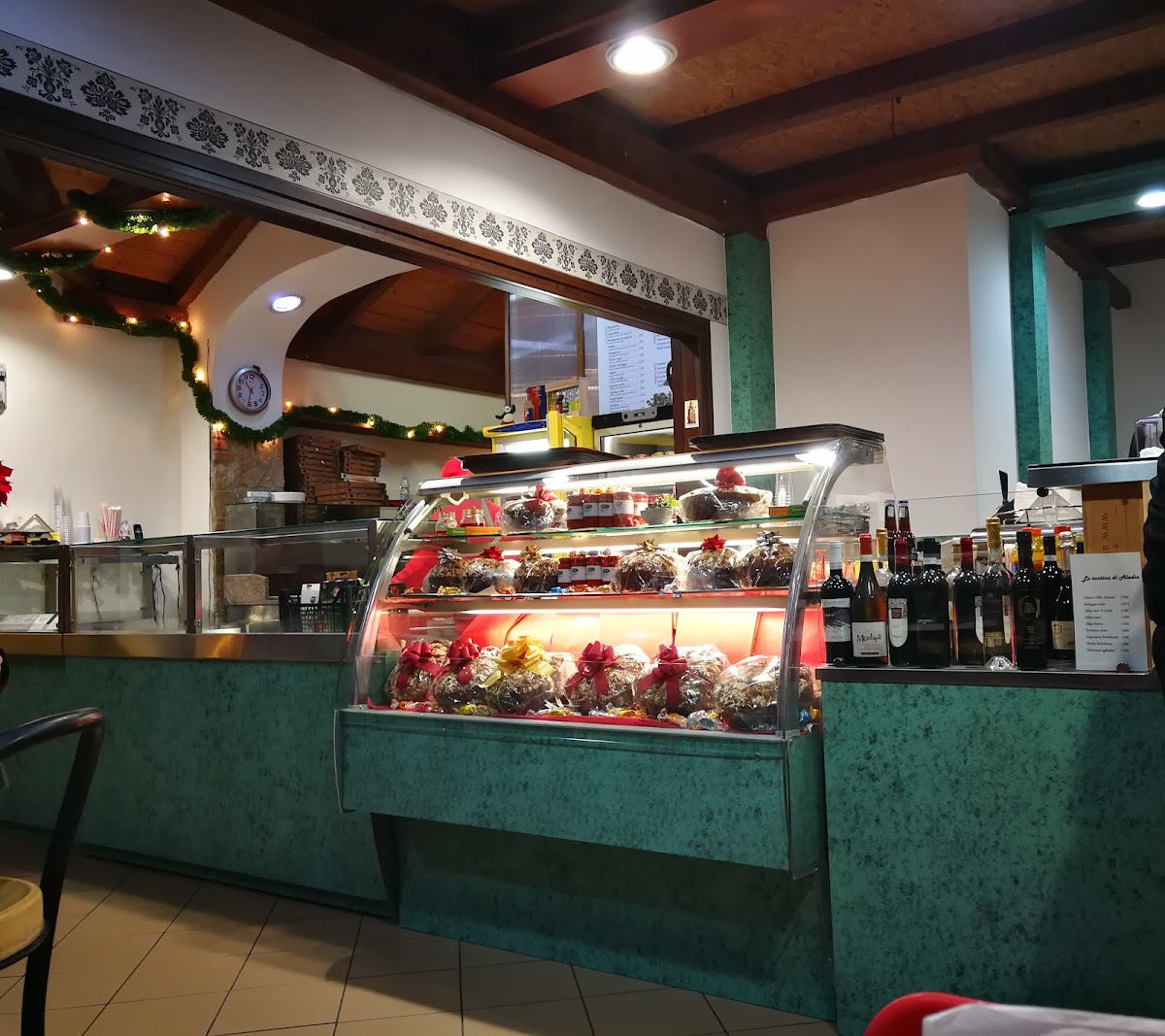
Pizza al taglio veramente buona, personale cortese, giovane e professionale sono solo alcuni dei motivi per cui vale la pena fermarsi da Aladin e godersi una sosta, magari con gli amici! Numerosi posti a sedere e diverse qualità di birre in bottiglia... Consigliato!
Overview
If you ever find yourself wandering through Potenza and craving real Italian pizza, Pizzeria Aladin at Via Domenico di Giura, 1/3, 85100 Potenza PZ, Italy, is the kind of place locals casually recommend without hesitation. I stopped by on a chilly evening after hearing about it from a colleague who grew up in Basilicata, and from the first bite, it was clear this wasn’t just another neighborhood pizzeria.
The atmosphere strikes a balance between cozy and lively. Families share large wooden tables, couples linger over glasses of Aglianico wine, and the scent of freshly baked dough drifts through the dining room. The menu is extensive but not overwhelming. You’ll find classic pizzas like Margherita and Marinara alongside more creative combinations topped with local sausage, porcini mushrooms, and creamy mozzarella di bufala. What stood out to me was how thoughtfully the ingredients were sourced. According to the Associazione Verace Pizza Napoletana, authentic Italian pizza relies on high-quality flour, San Marzano tomatoes, and proper fermentation techniques. You can taste that commitment here.
I ordered a Diavola and watched as it disappeared into a wood-fired oven. The baking process took less than two minutes, which aligns with traditional Neapolitan methods. The crust came out airy with that characteristic leopard spotting, crisp at the edges yet soft and elastic in the center. It’s the result of proper dough hydration and a fermentation process that likely extends beyond 24 hours, allowing natural yeasts to develop flavor and improve digestibility. Studies published by the Italian Society of Food Science suggest that longer fermentation enhances both texture and nutritional profile. Even without the science, you feel the difference when the crust doesn’t sit heavy in your stomach.
Beyond pizza, the menu includes calzoni, bruschetta, fresh salads, and a few pasta dishes for those who prefer something different. I sampled their house-made tiramisu, and it delivered that perfect balance of espresso bitterness and mascarpone sweetness. Service was attentive but relaxed. The staff explained ingredients confidently and even suggested wine pairings based on regional traditions.
Online reviews consistently highlight the consistency of the food and the friendly atmosphere. Many diners mention returning multiple times during their stay in Potenza, which says a lot in a town filled with small trattorias. While I can’t verify every single review, my experience matches the overall sentiment: quality remains steady even during busy hours. That reliability builds trust, especially for visitors unfamiliar with local dining spots.
Location-wise, Via Domenico di Giura is convenient whether you’re staying in the city center or driving in from nearby areas of Basilicata. Parking can be limited during peak dinner hours, so arriving a bit earlier helps. The restaurant isn’t overly flashy, but that’s part of its charm. It feels authentic rather than curated for tourists.
What impressed me most was the clear respect for Italian culinary tradition. The dough isn’t rushed. The tomato sauce tastes fresh rather than overly seasoned. The mozzarella melts evenly without pooling excess moisture. These details may sound small, yet they define the difference between average pizza and something memorable. Food experts like Massimo Bottura often stress that simplicity requires precision, and you sense that philosophy at work here.
Prices are reasonable compared to other Italian cities, making it accessible for families and students. Portions are generous, and sharing is common. If there’s any limitation, it’s that the place can get noisy during peak times, especially on weekends. Still, that buzz adds to the lively, communal feel that Italian dining is known for.
After spending time here, I understood why locals speak about it with a kind of casual pride. The combination of authentic technique, quality ingredients, thoughtful service, and a welcoming setting makes it more than just a quick pizza stop. It’s a reliable dining experience that reflects the culinary identity of Potenza while staying true to Italy’s broader pizza heritage.
Good to know
Service options
✓ Outdoor seating ✓ Takeaway ✓ Dine-inPopular for
✓ Dinner ✓ Solo diningAccessibility
✓ Wheelchair-accessible car park ✓ Wheelchair-accessible entrance ✓ Wheelchair-accessible seating ✓ Wheelchair-accessible toiletOfferings
✓ Alcohol ✓ Beer ✓ Healthy options ✓ Late-night food ✓ Organic dishes ✓ Quick bite ✓ Small plates ✓ Vegetarian options ✓ WineDining options
✓ Dinner ✓ SeatingAmenities
✓ ToiletAtmosphere
✓ Casual ✓ Quiet ✓ TrendyCrowd
✓ Family friendly ✓ Groups ✓ Tourists ✓ University studentsPlanning
✓ Accepts reservationsPayments
✓ Credit cards ✓ Debit cards ✓ NFC mobile payments ✓ Credit cardsChildren
✓ Good for kids ✓ Kids' menuParking
✓ Free of charge street parking ✓ Free parking lot ✓ ParkingPhotos
1 / 4
Location
Reviews
- No ratings yet 589 reviews
Ottima pizza sia da gustare sul posto che da asporto
Gusti strepitosi e dei più vari, in un ambiente spazioso e confortevole, sia al chiuso che all'aperto. Consiglio pizza nel ruoto (tegame rotondo) che gli da il gusto di una volta. Una delle mie pizze preferite in città